January 26, 2026
When most people hear the word Botox , they immediately think about wrinkle reduction or smoothing crow’s feet. But what many don’t realize is that Botox has become a powerful and trusted tool in modern dentistry. Because dentists work daily with the facial muscles, anatomy, and the complex interplay of function and expression, they are uniquely qualified to use Botox both for therapeutic relief and aesthetic enhancement.
At Elisian Complete Dentistry , Botox is not seen as a beauty luxury — it’s a clinical tool with benefits that reach far beyond appearance. Whether someone is struggling with TMJ pain, teeth grinding, or wants a more balanced, confident smile, Botox offers gentle, effective support that blends seamlessly with comprehensive dental care.
This blog explores why Botox in dentistry is becoming more common, how it works, and why choosing a skilled dentist is essential for achieving safe, natural-looking results.
What Is Botox and How Does It Work?
Botox is a purified protein that temporarily relaxes targeted muscles. In dentistry, small, precise doses help reduce muscle overactivity, tension, and movement patterns that contribute to pain or unwanted facial expressions.
Because dentists understand the muscles that control your jaw, lips, and smile, they can place Botox with precision to improve comfort, function, and facial balance.
You can learn more about our aesthetic approach on our
Facial Aesthetics page
.
Botox for TMJ Pain and Jaw Clenching
TMJ disorders often involve overworked jaw muscles that trigger headaches, jaw tightness, facial pain, and even tooth wear. For many patients, Botox is one of the most effective ways to relax these muscles and reduce strain.
How Botox Helps TMJ Symptoms
- Relaxes muscles that cause clenching and grinding
- Reduces jaw tension and stiffness
- Minimizes headaches associated with jaw strain
- Protects teeth from excessive wear
For patients who deal with chronic clenching or bruxism, Botox can be life-changing. It doesn’t replace traditional TMJ care, but it enhances it — especially when paired with treatments like bite adjustments, nightguards, and our
Pain Management & TMJ Services
.
Botox and Smile Rejuvenation
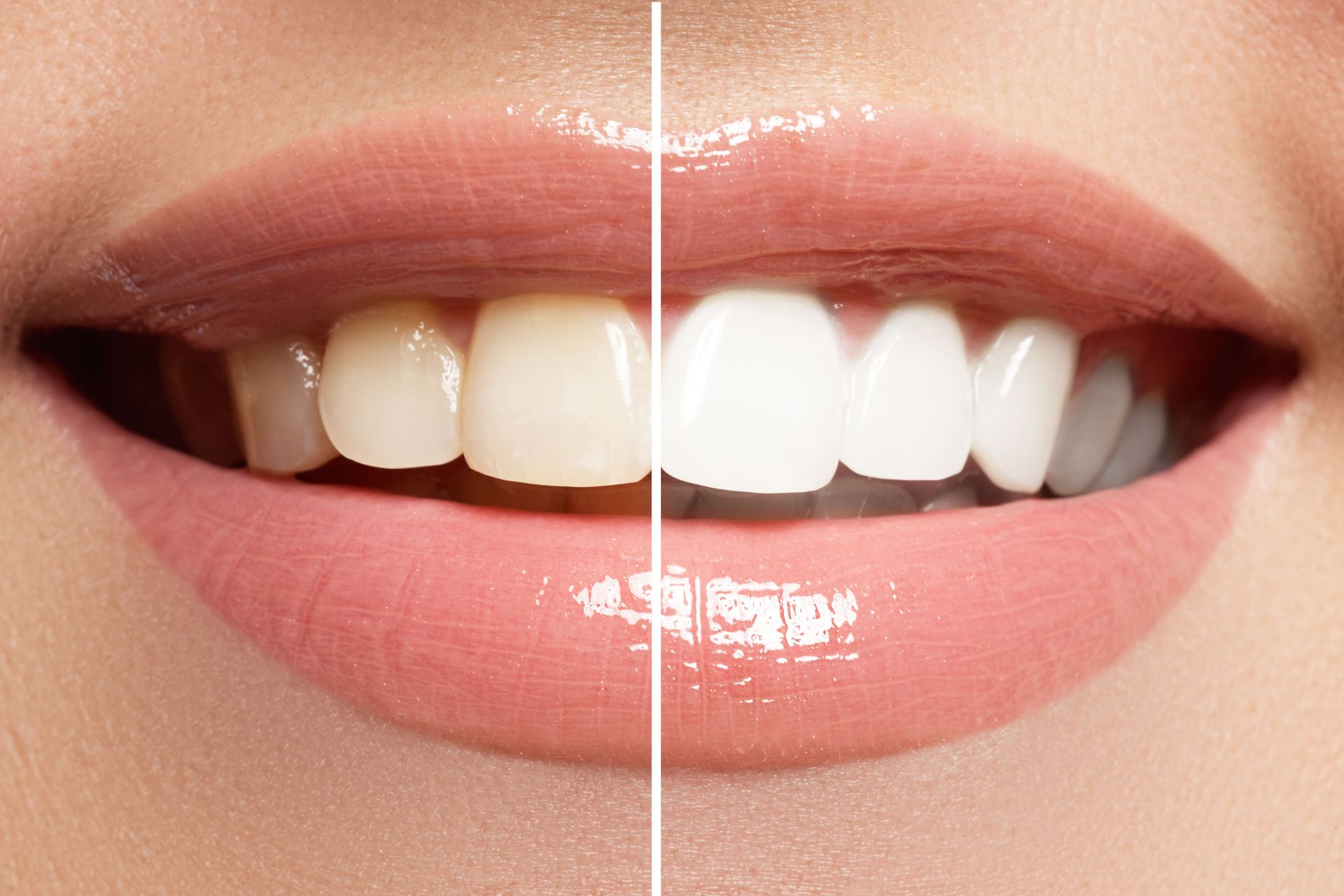
Botox is also a valuable aesthetic tool when used conservatively and skillfully. In dentistry, the goal isn’t to freeze expression — it’s to create facial harmony that supports your smile.
Botox Can Help Enhance Your Smile by:
- Softening smile lines
- Reducing upper lip overactivity in a “gummy smile”
- Relaxing tense lower facial muscles that pull the smile downward
- Creating symmetry in lip movement
These subtle adjustments can help your smile look more natural, confident, and relaxed — without drastically changing your appearance.
For patients considering veneers, whitening, or other cosmetic treatments, Botox can be a finishing touch that completes the transformation. See our full cosmetic approach on our
Dental Aesthetics page
.
Why Dentists Are Uniquely Qualified to Use Botox
Dentists spend years studying the facial muscles, bones, nerves, and functional systems that control chewing, speaking, and expression. This makes them ideal providers for Botox injections, especially when treatment affects the lower face or jaw.
Dentists Understand:
- Muscle function and tension patterns
- Smile dynamics and lip movement
- How jaw muscles contribute to pain
- Facial symmetry and balance
- The relationship between oral health and facial appearance
Unlike many med spas, dentists can evaluate Botox not just as an aesthetic treatment but as part of a comprehensive dental plan. This dual perspective ensures safer, more natural outcomes.
You can learn more about our patient-centered philosophy on our
About Us page
.
The Therapeutic Side of Botox in Dentistry
Botox is most widely known for cosmetic uses, but its therapeutic benefits are just as valuable — especially for patients experiencing chronic discomfort.
Botox Helps With:
- TMJ dysfunction
- Teeth grinding
- Facial pain
- Migraines triggered by clenching
- Tension in the masseter muscles
- Muscle overuse that damages teeth
Because these issues often affect oral health, Botox becomes a supportive tool in protecting the teeth, gums, and jaw from chronic inflammation and wear.
Our
Preventive Services
and
Maintenance Care
programs work hand-in-hand with these therapies to keep your smile and facial muscles healthy long-term.
Botox as Part of Complete Facial Wellness
At Elisian, Botox is never used as a one-size-fits-all treatment. Instead, it’s part of a thoughtful, personalized approach to both oral and facial wellness. Many patients combine Botox with dermal fillers, cosmetic dentistry, or restorative care to achieve balanced, harmonious results.
For example:
- A patient getting veneers may use Botox to soften lip tension for a smoother smile line.
- Someone restoring worn teeth may use Botox to reduce grinding pressure.
- Patients seeking facial rejuvenation may pair Botox with fillers and whitening.
This integrated approach is one reason many patients choose Elisian for both dental and aesthetic services.
Visit our
Restorative and Implant Services
page to see how dentistry and Botox work together for full-mouth rejuvenation.
What to Expect During Botox Treatment
Botox appointments are quick — usually about 10 to 20 minutes — and most patients feel only a slight pinch. There is no downtime, and normal activities can resume immediately.
After Treatment:
Is Botox Right for You?
Botox may be a good fit if you experience:
- Frequent jaw tension or clenching
- TMJ discomfort
- Headaches related to muscle strain
- A gummy smile
- Smile lines you’d like softened
- Facial muscle imbalance
The best way to know is to schedule a consultation so we can evaluate your jaw function, facial anatomy, and treatment goals.
Get started by completing your
Patient Forms
or
Contacting Us
to book an appointment.
Medical Disclaimer :
This blog is for informational purposes only and is not a substitute for professional dental advice, diagnosis, or treatment. Always seek the advice of your dentist or other qualified healthcare provider with any questions you may have regarding a dental condition or treatment.
The post Botox in Dentistry: More Than Just a Wrinkle Treatment appeared first on Elisian.