
Dental bonding and veneers both improve smiles, but they serve different purposes. Discover which treatment is best for small repairs and cosmetic fixes.
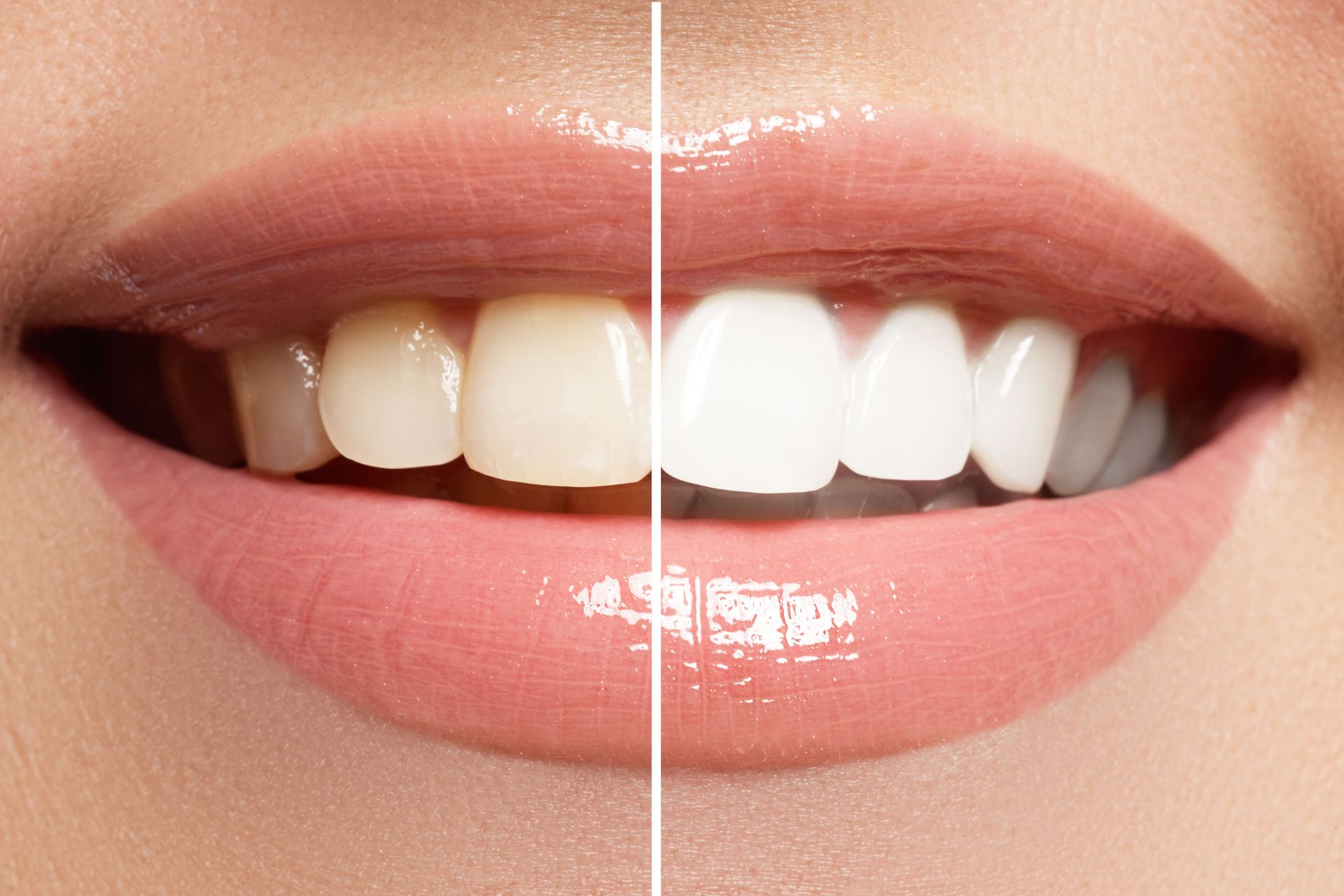
When it comes to improving your smile, cosmetic dentistry offers several solutions. Two of the most popular treatments are dental bonding and porcelain veneers. While both can correct chips, cracks, and discoloration, they are not the same — especially when it comes to small repairs.
At Elisian Complete Dentistry, patients often ask whether bonding or veneers are the better choice. The answer depends on your goals, budget, and the extent of the repair. Let’s break down the differences so you can make an informed decision.
What Is Dental Bonding?
Dental bonding is a quick and affordable treatment where a tooth-colored resin material is applied to the tooth, shaped, and hardened with a special light.
Benefits of Bonding
- Minimally invasive, requiring little to no enamel removal
- Typically completed in one visit
- Lower cost compared to veneers
- Natural-looking results that blend with your teeth
Common Uses
Bonding is ideal for:
- Small chips or cracks
- Gaps between teeth
- Minor discoloration
- Reshaping uneven edges
Because it’s less invasive, bonding is often a first step in cosmetic dentistry for patients looking for subtle improvements.
What Are Veneers?
Porcelain veneers are thin, custom-made shells that cover the front of the teeth. They require slight enamel removal and are bonded permanently to the surface.
Benefits of Veneers
- Long-lasting results (10–15 years with proper care)
- Resistant to staining
- Corrects multiple issues at once (shape, color, length)
- Provides a dramatic transformation for your smile
Common Uses
Veneers are best for:
- Severe discoloration that whitening can’t fix
- Multiple cosmetic concerns (chips, gaps, worn edges)
- Patients looking for a long-term smile makeover
Learn more about our dental aesthetics services to see if veneers may be right for you.
Key Differences Between Bonding and Veneers
| Feature | Dental Bonding | Veneers |
|---|---|---|
| Longevity | 3–7 years | 10–15 years |
| Cost | Lower upfront | Higher investment |
| Time | 1 visit | 2–3 visits |
| Durability | Prone to chips and staining | Strong and stain-resistant |
| Best For | Small repairs and subtle changes | Major transformations |
If your concern is limited to a single tooth or minor repair, bonding is usually sufficient. If you want a full smile transformation, veneers may be the better choice.
Considering Cost and Value
While bonding is more affordable upfront, veneers often deliver more value in the long term. A single bonding treatment may need to be redone every few years, while veneers provide long-lasting results.
That said, if you only need a small repair or aren’t ready to commit to veneers, bonding is a practical option. Our team at Elisian will discuss restorative and cosmetic options to help you find the best fit for your needs and budget.
The Health Factor
Both treatments are cosmetic, but they also support overall oral health. Repairing chips and cracks prevents further damage and strengthens the tooth. Patients should start with preventive care to ensure teeth and gums are healthy before pursuing cosmetic treatment.
For patients dealing with issues like grinding or jaw pain, pairing aesthetics with TMJ pain management may also be recommended.
Which Option Is Best for Small Repairs?
For small cosmetic issues — like a chipped front tooth or slight discoloration — bonding is usually the best choice. It’s quick, conservative, and affordable. However, for patients seeking a longer-term solution or multiple improvements, veneers may be the better investment.
Every smile is unique, which is why we recommend a consultation to evaluate your goals. Our FAQ page and blog provide additional insights, but an in-person exam will determine the right path.
The Elisian Complete Dentistry Approach
At Elisian Complete Dentistry, we take a personalized approach to cosmetic care. Whether you’re considering bonding, veneers, or another treatment, we’ll explain your options, answer questions, and design a plan that works for you.
We also make it easy for patients to get started. You can complete patient forms online and contact us directly to schedule a consultation.
Final Thoughts
Dental bonding and veneers are both excellent cosmetic options, but they serve different purposes. Bonding is best for small, quick fixes, while veneers are ideal for long-lasting smile transformations.
Whichever you choose, investing in your smile is always worthwhile — it impacts your appearance, confidence, and quality of life.
Contact Elisian Complete Dentistry today to learn more about bonding vs. veneers and find the best solution for your smile.
Medical Disclaimer
This blog is for informational purposes only and is not a substitute for professional dental advice, diagnosis, or treatment. Always seek the advice of your dentist or other qualified healthcare provider with any questions you may have regarding a dental condition or treatment.