January 12, 2026
For decades, silver amalgam fillings were the standard solution for treating cavities. They were durable, cost-effective, and widely used — but dentistry has evolved. Today, both patients and dental professionals prefer modern, tooth-colored materials that offer better aesthetics, improved bonding strength, and safer, more biocompatible options.
At Elisian Complete Dentistry , we believe restorative care should support long-term oral health while also preserving the natural beauty of your smile. This blog explains why dentistry has moved away from silver amalgam and why today’s materials are a better fit for modern patients.
What Exactly Are Silver Amalgam Fillings?
Silver amalgam is a mixture of metals — typically silver, tin, copper, and mercury. For many years, it was the go-to filling material because of its strength and durability.
However, as dentistry advanced, concerns grew regarding the aesthetics, structure, and long-term impact of amalgam restorative work. This shift led to the rise of composite resin and ceramic fillings , now commonly used in today’s dental practices.
Reason #1: More Natural-Looking, Aesthetic Results
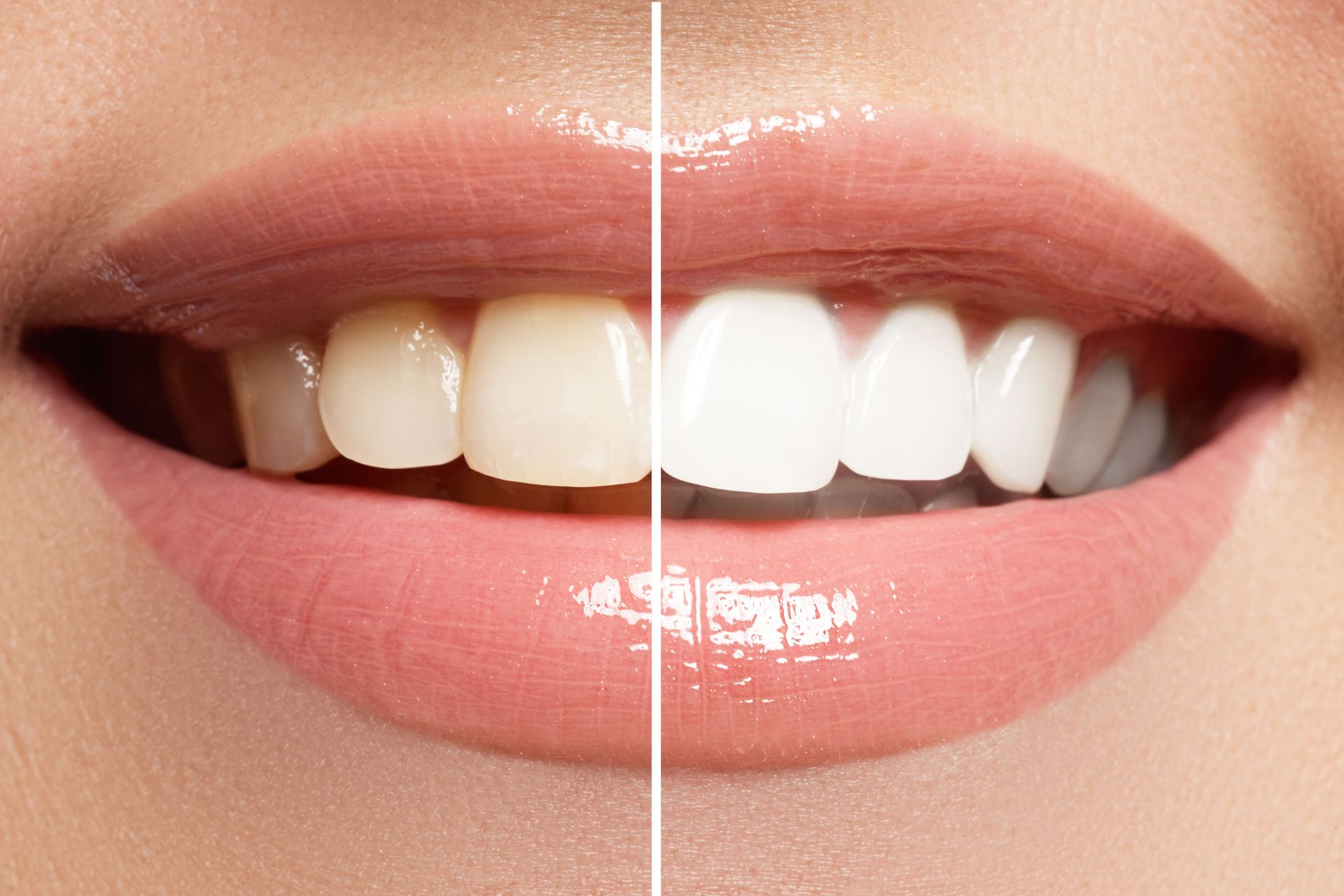
The most obvious drawback of silver fillings is that they are highly visible. Amalgam fillings darken over time, creating a noticeable contrast against natural tooth structure.
Modern tooth-colored fillings — often made of composite resin — blend seamlessly with surrounding teeth. Patients no longer need to choose between durability and aesthetics.
When doing restorative work, our team at Elisian often incorporates options found on our
Restorative and Implant Services page
, which provide stronger, more beautiful results.
Reason #2: Amalgam Requires Removal of More Healthy Tooth Structure
To place an amalgam filling, dentists must remove more enamel than is ideal. The material does not bond to the tooth — it simply fills space. This means the tooth must be shaped in a way that helps the filling mechanically stay in place.
Modern composite fillings, however, bond directly to enamel and dentin , allowing dentists to preserve more of the natural tooth. Conserving natural structure is a core philosophy behind all restorative care at Elisian and supports long-term oral health.
To learn more about preserving natural teeth, explore our
Preventive Services
and
Maintenance Care
pages.
Reason #3: Temperature Sensitivity and Cracking Concerns
Metal expands and contracts with temperature changes. Amalgam fillings can put pressure on the surrounding tooth as they heat up and cool down, increasing the risk of fractures over time — especially in older restorations.
Today’s composite materials do not have this same degree of expansion and contraction, making them gentler on tooth structure and less likely to compromise the integrity of natural enamel.
Reason #4: Public Concern Over Mercury Content
Although scientific organizations state that amalgam is generally considered safe for most people, increasing public concern about mercury exposure has influenced a shift away from silver fillings. Many patients simply prefer a mercury-free option for peace of mind.
Dentistry has responded by developing strong, biocompatible alternatives that deliver excellent durability without using metal.
If you have older amalgam fillings and are curious about whether they should be replaced, our team can help. Visit our
FAQ page
for guidance or schedule a consultation through our
Contact page
.
Reason #5: Better Bonding Creates Longer-Lasting Restorations
Composite materials bond chemically to the tooth, restoring strength and stability from within the tooth structure rather than relying solely on mechanical retention.
This bonding helps:
- Prevent cracks
- Reduce bacterial leakage
- Improve long-term durability
- Restore natural tooth function
When paired with strong home care habits and regular visits to our practice, composite fillings often outperform older amalgam options.
Reason #6: Restorations Support Modern Cosmetic Dentistry
More patients are seeking cosmetic care such as whitening, veneers, and smile makeovers. Silver amalgam fillings can stand out after cosmetic work, distracting from an otherwise bright, even smile.
As part of comprehensive smile or facial aesthetics treatment at Elisian, we frequently incorporate tooth-colored materials to create harmony across the entire smile. Learn more about these options on our
Dental Aesthetics
and
Facial Aesthetics
pages.
Should You Replace Old Silver Fillings?
Not always. An amalgam filling that is stable, intact, and functional may not need to be replaced immediately. However, you should consider replacement if your filling:
- Is cracked or worn
- Feels loose
- Causes sensitivity
- Has decay beneath it
- Creates cosmetic concerns
At Elisian Complete Dentistry , we evaluate each filling individually and make recommendations based on your oral health needs, not trends.
Modern Dentistry Prioritizes Health, Beauty, and Longevity
Today’s restorative materials allow us to create smiles that look natural, function beautifully, and support long-term oral health. Whether you’re interested in updating old amalgam fillings or addressing new areas of decay, we provide personalized solutions tailored to your goals.
Visit our
Blog
for more insights into modern dentistry or fill out your
Patient Forms
before your visit to save time.
If you’re ready to explore your options or want a second opinion on your existing fillings,
Contact us today
to schedule an appointment.
Medical Disclaimer : This blog is for informational purposes only and is not a substitute for professional dental advice, diagnosis, or treatment. Always seek the advice of your dentist or other qualified healthcare provider with any questions you may have regarding a dental condition or treatment.
The post Why We Have Gotten Away from Silver Amalgam appeared first on Elisian.